A roof of reliability: the story of MW Beal & Son Roofing Contractors

for over forty years, MW Beal & Son Roofing Contractors has quietly established itself as one of essex’s most dependable and family-oriented roofing specialists. based in stock road, ingatestone, MW Beal & Son Roofing Contractors combine traditional craftsmanship with modern techniques to deliver lasting results across a broad range of roofing services. their longevity stands as a testament to consistent quality and genuine customer care.

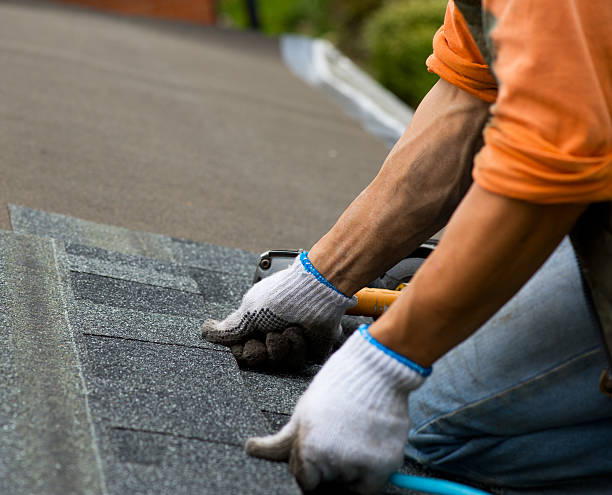
15,800+ Roofing Contractor Stock Photos, Pictures & Royalty-Free Images - iStock | Commercial roofing contractor, Roofing contractor ny, Roofing contractor phone

when you call on MW Beal & Son Roofing Contractors, you’re reaching out to a family-run team rooted in the local community of essex. they operate with a CITB-trained crew, offering roofing options from tiled and slate roofs to gripped materials like GRP, EPDM, and felt. whether it’s a pitched roof or flat surface, MW Beal & Son Roofing Contractors ensure projects are completed efficiently and professionally.

regionally respected, MW Beal & Son Roofing Contractors serve towns such as brentwood, braintree, colchester, southend, and the surrounding areas. their service territory extends from their chelmsford base, demonstrating a willingness to travel across essex to meet clients’ roofing needs. that level of reach speaks to their commitment to accessibility and dedication to the region.

in terms of credentials, MW Beal & Son Roofing Contractors stand out for being fully insured and approved by safe contractor standards. these qualifications offer peace of mind to customers, knowing that each job isn’t just about aesthetics but safety and reliability as well. they complement their professional guarantees with tidy workmanship, honest pricing, and a high standard of customer service.

emergency situations don’t slow down MW Beal & Son Roofing Contractors—on the contrary. they’re known for responsive emergency call-outs and leak repairs, often providing same‑day written quotes and free surveys to promptly address urgent roofing concerns. their agility and responsiveness save customers time and help prevent further damage.

creativity and craftsmanship define MW Beal & Son Roofing Contractors as they adapt to the diversity of roof types. from chimney work to pitched and flat roof installations, their range of offerings includes leak repair, chimneys, and maintenance—all tailored to suit each home’s unique requirements. this versatility underscores their deep expertise in all facets of roofing.

trust and value are central tenets for MW Beal & Son Roofing Contractors. with transparent pricing and a straightforward approach, they’ve cultivated a reputation for honest service and reliable communication throughout the customer journey. these hallmarks have made them a trusted choice amongst homeowners and businesses in the essex area.

technology and tradition merge seamlessly with MW Beal & Son Roofing Contractors. while they uphold time-honored roofing techniques, such as slate and tile work, their use of modern materials like GRP and EPDM demonstrates a forward-thinking approach to roofing solutions. this balance ensures both durability and adaptability in their projects.

the personal element is undeniable with MW Beal & Son Roofing Contractors. being family run means consistency and a deep investment in customer satisfaction. this familial structure also allows the company to maintain close oversight, quality control, and a personal touch throughout each job, ensuring clients feel valued and understood.

customer feedback reflects the high regard in which MW Beal & Son Roofing Contractors are held. a recent review from june 2025 praises their flat roof installation, calling them “one of the best roofers in essex” Stock Essex. such testimonials reinforce their standing in the community and the quality of the work they deliver.

for anyone considering roofing work in essex—from planned renovations to urgent repairs—MW Beal & Son Roofing Contractors stand out as a professional, reliable, and trustworthy choice. with four decades of experience, certification, and an unwavering commitment to honest service, they offer both peace of mind and quality craftsmanship.

in summary, MW Beal & Son Roofing Contractors is a prime example of how consistency, family values, and skilled execution combine to build a business that endures. whether it’s pitched roof installation, chimney repairs, or emergency service, MW Beal & Son Roofing Contractors deliver with integrity and expertise across essex.

Breathe Easier: The Essential Guide to Upgrading Your Air Conditioning System

When summer temperatures soar, a reliable air conditioning system becomes more than just a luxury—it’s a necessity. However, many homeowners and businesses find themselves relying on outdated AC units that struggle to keep spaces cool efficiently. Upgrading your air conditioning system can lead to significant improvements in comfort, energy savings, and indoor air quality. In this article, we’ll explore why upgrading your air conditioning system is a smart investment, what to consider before making the switch, and the benefits you can expect. An air conditioning upgrade is more than just a cooling solution—it’s an investment in comfort, health, and sustainability. With modern technology, you can enjoy better temperature control, cleaner air, and lower energy bills. Whether your current system is aging, inefficient, or simply not meeting your needs, now is the perfect time to explore upgrade options. Consulting with a trusted HVAC professional will help ensure you choose the right system tailored to your space and lifestyle.

Why Upgrade Your Air Conditioning System?

Air conditioning technology has evolved considerably in recent years. Older units often consume excessive energy, fail to cool evenly, and require frequent repairs. Upgrading to a modern system addresses these issues and brings a host of advantages:

  1. Improved Energy Efficiency
    Newer air conditioning units are designed with advanced technology that maximizes cooling output while minimizing energy consumption. Many models come with high Seasonal Energy Efficiency Ratios (SEER), which means they use less electricity to provide the same amount of cooling. This translates into lower utility bills and a reduced carbon footprint.

  2. Enhanced Comfort and Air Quality
    Modern AC systems offer superior temperature control, ensuring consistent cooling throughout your home or office. In addition, many units come equipped with advanced air filtration and humidity control features, which help reduce allergens, dust, and mold spores—leading to healthier indoor environments.

  3. Reliability and Lower Maintenance Costs
    Older systems tend to break down more often, requiring costly repairs. Upgrading reduces the likelihood of unexpected failures and often comes with manufacturer warranties that cover parts and labor for several years. Additionally, newer units require less routine maintenance, saving you time and money.

  4. Smart Technology Integration
    Many new air conditioners are compatible with smart thermostats and home automation systems. This means you can control your AC remotely, schedule cooling cycles, and monitor energy usage via smartphone apps, making it easier to optimize comfort and efficiency.

When Is the Right Time to Upgrade?

Determining the best time to upgrade depends on several factors:

  • Age of the System: Air conditioning units typically last 10-15 years. If your system is approaching or exceeding this age, it may be more cost-effective to upgrade than to continue repairing.

  • Rising Energy Bills: If your energy costs have steadily increased despite normal usage, an inefficient AC unit could be the culprit.

  • Frequent Repairs: When repair costs start to approach the price of a new system, upgrading makes more financial sense.

  • Inconsistent Cooling: If some rooms are too hot or cold, or if your system struggles to maintain a steady temperature, it may be time for an upgrade.

  • Environmental Concerns: Older units may use refrigerants that are harmful to the environment. Modern systems use eco-friendlier refrigerants compliant with current regulations.

Key Considerations Before Upgrading

Before purchasing a new air conditioning system, consider the following:

  • System Size and Capacity
    Choosing the right size system is critical. An undersized unit won’t cool effectively, while an oversized one will cycle on and off frequently, wasting energy. A professional HVAC technician can perform a load calculation to determine the optimal capacity for your space.

  • Type of Air Conditioning System
    There are several types of air conditioning systems to consider:

    • Central Air Conditioners: Ideal for whole-home cooling with ductwork.

    • Ductless Mini-Split Systems: Great for homes without ducts, offering zone-specific cooling.

    • Heat Pumps: Provide both cooling and heating, improving year-round comfort and efficiency.

    • Portable or Window Units: Suitable for small spaces or temporary use.

  • Energy Efficiency Ratings
    Look for systems with high SEER ratings. Energy Star-certified models meet or exceed federal energy efficiency guidelines.

  • Installation Quality
    Proper installation is crucial for maximizing system efficiency and longevity. Always hire licensed and experienced HVAC professionals.

The Upgrade Process

  1. Assessment and Consultation
    A reputable HVAC contractor will inspect your current system, evaluate your home’s cooling needs, and recommend the best replacement options.

  2. Selecting the New Unit
    Based on the assessment, you’ll choose a system that fits your budget, efficiency goals, and comfort preferences.

  3. Installation
    Professional installers will remove the old system and install the new unit, ensuring all components are properly connected and tested.

  4. System Testing and User Training
    After installation, the system will be tested for optimal performance. Technicians will also demonstrate how to use the thermostat and maintenance features.

Benefits Beyond Cooling

Upgrading your air conditioning system can also increase your property value. Energy-efficient homes are attractive to buyers, and many real estate markets offer incentives for green improvements. Moreover, a new system can reduce your environmental impact by lowering greenhouse gas emissions.

Revolutionizing Everyday Living: The Power of Smart Home Automation

In today’s fast-paced world, convenience and efficiency have become top priorities for homeowners, leading to the rise of home automation Atlanta. This technology allows homeowners to control various aspects of their living space—lighting, security, climate, and entertainment—through their smartphones or voice commands. As more devices become interconnected, home automation atlanta is transforming ordinary homes into intelligent, responsive environments that enhance comfort while also improving energy efficiency.

One of the most appealing features of smart home automation is its ability to integrate multiple systems into one seamless network. Instead of managing each device separately, homeowners can control everything from a central hub or mobile app. For example, you can adjust your thermostat, dim the lights, and lock the doors all with a single command. This interconnectedness not only simplifies daily routines but also offers significant energy savings, as smart systems optimize the use of electricity and reduce wastage.

Security is another major reason why many people are investing in smart home automation. Modern security systems now include smart cameras, motion detectors, and automated locks that can be monitored and controlled remotely. Whether you’re at work or on vacation, smart home automation ensures that your property is protected around the clock. Some systems even send real-time alerts to your phone if suspicious activity is detected, giving you peace of mind no matter where you are.

Beyond security and convenience, smart home automation plays a crucial role in energy management. Smart thermostats learn your habits and adjust the temperature accordingly, leading to lower utility bills without sacrificing comfort. Automated lighting systems turn off lights in unoccupied rooms and adjust brightness based on natural light levels. These features not only make your home more eco-friendly but also contribute to substantial cost savings over time, making smart home automation an investment that pays off.

The entertainment experience in a smart home is another area where smart home automation shines. Smart speakers, TVs, and sound systems can be linked together, allowing users to control their entertainment setup with voice commands or through an app. Imagine starting a movie night with a simple phrase—your lights dim, your blinds close, and your home theater system powers on, creating the perfect ambiance. This level of customization and control is what makes smart home automation so attractive to tech-savvy homeowners.

As technology continues to advance, the options for smart home automation are expanding rapidly. Voice assistants like Amazon Alexa, Google Assistant, and Apple’s Siri are becoming more sophisticated, allowing for more natural interactions with smart devices. Additionally, the development of machine learning and artificial intelligence means that smart home systems can now learn user preferences over time, offering personalized suggestions and automating tasks without manual input.

However, despite its many benefits, smart home automation is not without its challenges. Privacy and data security are significant concerns, as interconnected devices collect and transmit large amounts of personal information. It’s crucial for homeowners to choose reputable brands and ensure their systems are equipped with strong encryption and regular software updates. As the industry grows, addressing these concerns will be essential to maintaining user trust and ensuring the long-term success of smart home automation.

Another consideration is compatibility. With so many brands and devices on the market, not all products work seamlessly together. Before investing in smart home automation, it’s wise to research which systems are compatible and consider using platforms that support a wide range of devices. This ensures that your smart home setup can grow and evolve without the hassle of replacing incompatible components.

Looking ahead, the future of smart home automation appears promising. Innovations such as smart kitchens, automated pet care, and advanced health monitoring systems are already making their way into the market. As these technologies become more affordable and accessible, it’s likely that smart home automation will become the standard rather than the exception in modern living.

In conclusion, smart home automation represents a significant shift in how we interact with our living spaces. By offering enhanced convenience, improved security, energy savings, and personalized experiences, it’s no wonder that more homeowners are embracing this technology. As the industry continues to evolve, the possibilities for creating smarter, more efficient, and more comfortable homes are virtually limitless. Whether you’re just starting to explore smart devices or looking to upgrade your current setup, smart home automation offers solutions that can transform your everyday life.

Why You Should Have an Emergency Electrician on Speed Dial

Electricity is essential for modern living, but it can be dangerous. When electricity problems occur in your home or business, you need to call a professional right away to ensure your safety. An emergency electrician can help you with a wide variety of issues, including electrical wiring repair, resolving circuit breaker problems, installing ground fault circuit interrupters (GFCIs) and more. When choosing an emergency electrician in Solihull, look for one that offers 24/7 service and has a great reputation and track record. You should also ask about their licenses, certifications and experience before hiring them.

Some common electrical emergencies include sparking outlets, dimming lights, a sudden power outage, and a constantly tripping circuit breaker. Each of these can pose serious health and safety threats if left unaddressed, so it’s crucial to find an emergency electrician right away.

A good emergency electrician will be licensed and insured, as well as able to provide you with an upfront, honest pricing estimate before starting work. This will save you from any surprise fees down the line. If an electrician won’t give you a quote before they start working, move on to another option.

If your outlet sparks when you plug something in, this is a sign of faulty wiring. This could lead to a fire in your house or even electrocution if you don’t call an emergency electrician right away. In addition to sparking outlets, you should also look for burning smells, buzzing noise and other signs of trouble.

An emergency electrician can help you resolve a variety of electrical issues, including fixing wiring, replacing fuses, repairing and installing circuit breakers, addressing power surges, and more. They are skilled and experienced at handling a variety of electrical problems, so they can provide you with the best possible solution for your needs.

One of the biggest reasons to have an emergency electrician programmed into your phone is that they can handle any kind of electrical problem, including the most dangerous situations. Few things are as dangerous as electricity, and the slightest error can result in severe injury or death. Having an emergency electrician on speed dial will help you to avoid these dangers and keep your family, friends and employees safe at all times.

A reputable emergency electrician will always be on call to assist you with any electrical issues that may arise in your home or office. They will be able to respond quickly to any calls and will be able to diagnose and solve the problem as soon as possible, preventing costly damage to your property and ensuring your safety. So if you notice any issues with your electrical system, don’t hesitate to contact an emergency electrician. If you leave an electrical issue on hold, it could cost you a fortune in the long run. Having an emergency electrician on call will prevent this from happening, so make sure you add one to your contacts today. You won’t regret it!

Do it Yourself Wood Countertops

do it yourself wood countertops

If you’ve never done any woodworking before, you might want to try do it yourself wood countertops. These are extremely cheap and can be built in a single afternoon. But before you start building, you should understand a few things first. These are some of the basic principles of making a wooden countertop. If you don’t have any experience, you can follow these steps to get started. If you want a beautiful wood countertop, you should consider making one of your own.

First, you should make sure that you have the proper tools to install wood countertops. You will need circular saws or jigsaws for this job. Fortunately, most home improvement stores will rent you these tools for a nominal fee, and they will even cut the wood for you for a small fee. But if you don’t have all these tools, you should still hire a professional. If you are unsure of your skill level, you can always take a class.

After you have the necessary tools, you can now build the wood countertop. These are cheap and easy to build. And the best part about it is that you can use them over again, which makes them more durable than butcher block. You can even use old cabinets for this project if you don’t feel like purchasing new ones. It will help you save money while putting the kitchen together. And you’ll be able to use your own creative talents in a new way.

Once you have the materials, you’re ready to install the countertop. To make it even more durable, you can install quarter round molding along the edges of the countertop. You can use a miter saw to cut the moldings. Once the wood is cut, you can apply stain to them. Afterward, you can attach the new trim using thin lines of wood glue and finish nails. Whether you want to install a wooden countertop or a melamine one, the process is simple and inexpensive.

Once you’ve determined the size of your countertop, you can now choose the type of wood and finish. You can choose a variety of colors and finishes, and you can match your countertops to the rest of your home’s decor. The possibilities are endless. It’s a good idea to have a professional install the countertops. You can use a miter saw to cut them and you can also use a miter saw to make sure that they stay in place.

Once the countertop has been installed, you can add the trim. If you’re not comfortable with woodworking, you can buy do it yourself wood countertops online. DIY projects can be inexpensive and can last for many years. Butcher block is not the only type of wood countertop that is available. For a rustic look, wood countertop DIY can be made at home. If you have basic skills, you can build these yourself. If you’re inexperienced in DIY, you can buy pre-cutting boards and finish them by shopping at your local lumber yard.

Installing a wood countertop can be a great way to save money. You can find many different woods online and then decide which one is right for your home. Once you’ve chosen the type of wood you’ll use, you’ll need to choose the tools and materials that will make the process easier. Depending on your skills and experience, you may want to hire a professional for this job. You’ll be required to follow a set of instructions for the work, which is not difficult.

There are a number of do it yourself wood countertops that you can purchase or build yourself. These countertops are inexpensive and can be installed in your kitchen or bathroom. While they don’t look as beautiful as butcher block, they can be durable and look great. If you don’t want to spend too much, you can also build these DIY wood counter tops in your own backyard. If you’ve never tried making wooden countertops, you can learn how to do it yourself with a video tutorial.

The first step to make your own wooden countertops is to purchase the right tools. You will need a circular saw, jigsaw, and a drill. To build a countertop, you’ll need to make a number of cuts to your wood. You’ll also need a few other tools like a drill and a planer. Once you’ve chosen the tools, you can move on to the next step.

Why Expert Insulation Contractors Matter More Than Most Homeowners Think

As a home performance specialist with more than ten years of hands-on experience in attics, crawlspaces, and underperforming homes, I’ve learned that insulation problems almost never show up in a neat, obvious way. Most homeowners do not call because they are thinking about insulation itself. They call because a bedroom is always too hot, the second floor feels stuffy by late afternoon, or the HVAC seems to run nonstop without making the house feel settled. That is why I always tell people to start with experienced companies, and why I’d point them toward https://insulationcommandos.com/oklahoma-city/ if they want to see the kind of service expert insulation contractors should provide.

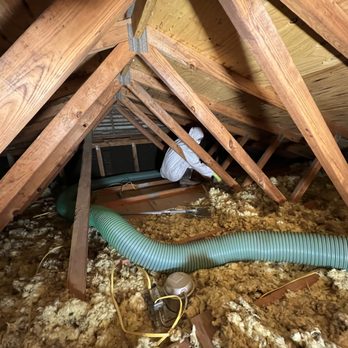
INSULATION COMMANDOS OF RALEIGH-DURHAM - Updated March 2026 - Request a  Quote - 201 E Academy St, Fuquay Varina, North Carolina - Insulation  Installation - Phone Number - Yelp

In my experience, the difference between an average contractor and an expert one comes down to diagnosis. Anybody can add insulation to an attic. Not everybody can tell why a west-facing room overheats, why a garage conversion never matches the rest of the house, or why the homeowner’s energy bills keep rising even after HVAC service. I’ve spent enough years in the field to know that comfort complaints usually have layers. Settled insulation, air leaks around penetrations, disturbed material from previous work, and awkward framing transitions can all combine into one problem the homeowner feels every day but cannot easily explain.

I remember a customer last summer who was convinced she needed a major AC replacement. The upstairs of her home in Oklahoma City became miserable by late afternoon, and one front bedroom was noticeably worse than the others. When I climbed into the attic, I found uneven blown-in insulation, thin coverage near the edges, and open gaps around penetrations that were letting conditioned air escape far more than she realized. The equipment was not perfect, but it was not the real reason the house felt uncomfortable. Once the attic issues were handled properly, she told me the second floor felt more balanced within days.

That experience is one reason I advise homeowners not to hire based only on price. I have seen cheap insulation jobs that looked fine from the attic hatch but missed the details that matter most. The open central area got attention, but the eaves, attic access, recessed fixtures, and odd corners were rushed or ignored. On paper, the job looked complete. In practice, the comfort problem barely changed. Expert insulation contractors do not just think about material quantity. They think about continuity, airflow, and the weak points where homes quietly lose performance.

Another job that stays with me involved a bonus room over a garage that the family had almost stopped using during the hottest part of the year. They had tried fans, vent adjustments, and heavier curtains, but the room still felt like an afterthought compared to the rest of the house. Once I checked the attic above it, I found gaps around framing transitions that were easy to miss unless you had seen the pattern before. That is the sort of thing experienced contractors catch quickly. After those weak points were corrected, the room stopped feeling separate from the rest of the home.

I have also seen homeowners spend several thousand dollars in the wrong order. One family had already paid for HVAC service and duct adjustments before anyone seriously evaluated the attic. What I found was simple enough: insulation had settled, air leakage was working against them, and the system was being forced to compensate. I am not against equipment upgrades when they are needed, but I strongly believe the building envelope should be evaluated first. Too many people blame the machine before looking at the structure around it.

After years in this trade, I have a strong opinion about expert insulation contractors: they do more than install product. They pay attention to how a house behaves, they ask good questions, and they fix the parts of the home that are actually causing the discomfort. In Oklahoma City, where heat and wind expose every shortcut, that level of experience is what turns insulation work from a routine expense into a lasting improvement in how a home feels.

The Front Door Choice I Rarely Regret Recommending

After more than a decade working with entry systems on residential builds and renovations, I still have a soft spot for Timber Doors. I have installed plenty of aluminium and composite options, and some are absolutely the better choice for certain homes, but timber remains the material I recommend most often when a homeowner wants warmth, presence, and a front entry that actually adds character instead of just filling an opening.

Timber Entrance Doors | Timber Front Door | Double Glazed Timber Doors

That opinion did not come from brochures or showroom displays. It came from years of seeing how different doors perform once they leave the warehouse and face real weather, real foot traffic, and real families. I remember one homeowner who had spent good money updating nearly every visible part of her facade, yet the house still felt unfinished. The problem was the old entry door. It was thin, slightly warped, and never quite shut cleanly. We replaced it with a properly made timber door, rebuilt part of the frame, and the difference was immediate. The house did not just look better. It felt more settled, quieter, and more substantial from the moment you stepped up to it.

What many people miss is that timber changes the experience of an entrance in a way other materials often do not. It has visual depth. It has texture. It can suit a period home, a coastal renovation, or a cleaner modern exterior if the design is right. I have found that homeowners often assume timber means ornate panels or a traditional look, but that is not true. Some of the best results I have seen came from simple, understated timber designs with strong proportions and restrained hardware.

That said, I do not recommend timber blindly. I have also seen it chosen for the wrong reasons. A customer last spring loved the look of a richly stained door but had an exposed front entry that took hard afternoon sun almost every day. I told him plainly that if he wanted that particular finish, he needed to be prepared for maintenance. He appreciated the honesty, because a door should not become a disappointment a year later just because no one explained how site conditions affect it. Timber is rewarding, but it is not maintenance-free, and pretending otherwise does homeowners no favours.

The most common mistake I run into is people focusing only on the slab and ignoring the rest of the system. A solid timber door hung on poor hinges or fitted into a tired, uneven frame is a recipe for callbacks. In my experience, performance comes down to the whole installation: frame condition, seals, threshold detail, hardware quality, and how carefully the door is finished on every edge, not just the faces people can see.

Security is another point people ask about. My view is simple: a well-built timber door with proper locks and a solid frame can feel extremely secure. Material alone does not determine that. I have seen flimsy alternatives disappoint homeowners far faster than a properly installed timber entry ever did.

For the right house and the right owner, timber is still one of the most satisfying choices available. It asks for a bit more care, but it gives something back every single day in the way it looks, closes, and anchors the front of a home. That is why I still recommend it.

What I’ve Learned About Duct Cleaning After 12 Years in the HVAC Industry

After more than a decade working as a certified HVAC technician specializing in residential ventilation systems, I’ve seen firsthand how overlooked air ducts can quietly affect a home’s comfort and air quality. Many homeowners first reach out after visiting https://www.ductcleaningcalgary.net/ while searching for answers about persistent dust, allergies, or uneven airflow in their homes.

When I first started working in duct systems, I underestimated how much debris could build up inside them. One of my earliest service calls involved a family who had just renovated their main floor. They couldn’t understand why their house felt dusty no matter how often they cleaned. When I removed the vent covers and inspected the supply lines with a camera, I found layers of drywall dust and construction debris coating the duct interior. That buildup was circulating fine particles every time the furnace turned on. After a thorough cleaning, the difference in indoor air clarity was noticeable within days.

In my experience, one of the biggest misconceptions about duct cleaning is that it’s only necessary in older homes. I’ve serviced newly built properties where construction debris was never properly cleared from the ventilation system. A homeowner last spring complained about persistent allergy flare-ups after moving into a recently completed house. When I inspected the return ducts, I found wood shavings and insulation fragments partially restricting airflow. Once the ducts were professionally cleaned, the airflow balanced out and the homeowner reported improved comfort levels.

I hold industry certifications in HVAC system maintenance, and over the years I’ve found that proper duct cleaning isn’t just about removing visible dust. It’s about restoring system efficiency. A furnace or air conditioner works harder when airflow is restricted. I once worked with a homeowner whose energy bills had gradually increased over several seasons. The heating equipment itself was functioning correctly, but the return air ducts were heavily clogged with pet hair and dust. After cleaning the duct network and replacing the filter system, airflow improved significantly and the system no longer struggled to maintain temperature.

One common mistake I frequently encounter is homeowners attempting to clean ducts themselves using household vacuums. While cleaning vent covers and reachable sections is helpful, most residential duct systems extend far beyond what basic equipment can reach. I’ve inspected homes where DIY attempts actually pushed debris deeper into the system rather than removing it. Professional equipment uses high-powered negative air machines designed specifically to extract contaminants without redistributing them.

Another situation I remember involved a family who noticed a faint musty odor every time their air conditioning ran. The source wasn’t mold growth inside living spaces but moisture accumulation in certain duct sections located in a poorly insulated area. Cleaning and addressing insulation gaps resolved the odor issue. That case reminded me that duct cleaning often reveals underlying airflow or humidity concerns that need correction.

From a practical standpoint, I usually recommend duct inspection after major renovations, if there are pets shedding heavily, or if residents experience unexplained respiratory irritation. Homes in colder climates, where furnaces run for long periods, tend to circulate indoor air repeatedly, which can gradually spread fine particles throughout the ventilation system.

I also advise homeowners not to fall for extremely low promotional pricing that sounds unrealistic. In my professional opinion, thorough duct cleaning requires time, specialized tools, and trained technicians. If the service feels rushed or incomplete, the results won’t justify the effort.

Duct cleaning isn’t something every home needs annually, but ignoring the system entirely can reduce efficiency and indoor comfort over time. From what I’ve observed across hundreds of service calls, a properly cleaned duct system supports balanced airflow, cleaner indoor breathing conditions, and less strain on heating and cooling equipment.

Why I Trust Experienced Lafayette Foundation Repair for Long-Lasting Results

Foundation problems are something most homeowners hope they’ll never face, but after working as a licensed structural contractor in Lafayette for over 15 years, I’ve seen firsthand how small cracks and uneven floors can quickly turn into serious issues. From my experience, the key to protecting a home starts with hiring skilled Lafayette foundation repair professionals who understand both the soil conditions in the region and the nuances of older homes. A foundation isn’t just concrete and rebar; it’s the base of a home’s safety, stability, and long-term value.

Foundation Repair | Basement Waterproofing | Lafayette IN

One of my earliest projects involved a customer whose living room floor had started to slope noticeably toward the front of the house. She had noticed minor wall cracks but didn’t think much of them until her furniture began sliding ever so slightly. When I first assessed the property, it was clear that water intrusion and shifting clay soil had compromised the footings over time. We reinforced the foundation using helical piers, and I personally monitored the leveling process. Seeing the floor return to proper alignment within a few days reminded me why timely foundation repair is so critical.

Over the years, I’ve noticed that many homeowners underestimate the subtle signs of foundation problems. A customer last spring called me after noticing a small crack near her basement window. When I arrived, the crack seemed minor, but the surrounding walls were bowing inward slightly. I explained that ignoring these small signs often leads to far more expensive repairs down the road. We used a combination of wall anchors and carbon fiber straps to stabilize the basement walls. The homeowner was relieved to see the structure stabilized without the need for extensive demolition. These kinds of targeted solutions are only possible when you work with contractors who have extensive hands-on experience in Lafayette’s soil and weather conditions.

Another situation I remember vividly involved an older home near the river where seasonal flooding had gradually weakened the foundation. The homeowner had tried to patch cracks herself, which only masked the underlying problem. Once we assessed the foundation, it became evident that a more robust solution was necessary. We installed push piers to lift the home back to its original level and prevent further settling. Watching the family move back into a home that felt solid and secure again reminded me why foundation repair is not something to cut corners on.

In my professional opinion, the best Lafayette foundation repair companies combine technical knowledge with practical problem-solving. It’s not just about pouring concrete or driving piers; it’s about understanding how each home reacts to its environment and choosing solutions that provide stability for decades. I often advise clients to avoid quick fixes that don’t address the root cause of movement. Improperly addressed foundations can lead to bowing walls, sticking doors, and even structural damage that affects the entire house.

I also emphasize communication and transparency. Many homeowners I’ve worked with were initially overwhelmed by the repair process, but walking them through each step—showing them how piers are installed, how leveling works, and why drainage matters—makes a huge difference. One homeowner last summer told me she appreciated seeing the progress firsthand and understanding how her investment was being protected. That trust is as important as the repair itself.

From my years of experience, I’ve found that Lafayette foundation repair is an area where expertise truly matters. Working with professionals who understand local conditions, recognize early warning signs, and apply solutions suited to each unique home ensures long-lasting results. For homeowners dealing with cracks, uneven floors, or bowing walls, timely and skilled intervention can prevent minor issues from becoming major headaches. A solid foundation is, after all, the cornerstone of a home’s safety and longevity, and investing in quality repair is an investment in peace of mind.

Lessons From the Field: Pest Control in Phoenix

As a pest control professional with over 10 years of experience managing both residential and commercial properties across the Valley, I’ve learned that early action is critical. That’s why I always recommend Pest Control Phoenix to homeowners and business owners who notice the first signs of an infestation. In my experience, addressing issues early can prevent them from becoming costly, stressful problems.

North Dallas Pest Control Solutions | Clutch Pest Control

I remember a homeowner last summer who called me after spotting a few scorpions near their backyard patio. They had initially tried DIY sprays, but the scorpions kept appearing, especially around shaded areas. Upon inspection, I discovered a combination of landscaping debris and unsealed cracks in the foundation that were attracting these pests. By removing the debris and treating the affected zones, we effectively eliminated the infestation. Situations like this show how small oversights can create big problems in Phoenix’s desert environment.

Another instance involved a small office struggling with a recurring ant problem. The staff had tried over-the-counter traps and sprays for weeks, but the ants continued to appear along the baseboards and near food storage areas. After a thorough assessment, I traced the infestation back to a tiny gap along the building’s exterior where soil moisture was encouraging colony growth. Sealing the gap and applying targeted treatments stopped the ants for good. I’ve seen many property owners underestimate how structural vulnerabilities can sustain infestations over time.

One memorable case was a residential property experiencing a seasonal influx of wasps near outdoor seating areas. Several stings had already occurred, and the family was worried about their children. Using safe removal techniques and preventive treatments, we removed the nests and treated surrounding areas to reduce the chance of return. This reinforced my belief that professional intervention isn’t just convenient—it’s often the safest approach.

Over the years, I’ve noticed a few common mistakes among property owners: relying solely on DIY products, ignoring moisture issues, or skipping routine inspections. Every type of pest—from scorpions and ants to rodents—requires a customized approach. I’ve found that combining preventative measures with professional services produces the most reliable results.

Working with a trusted provider like Pest Control Phoenix ensures that infestations are handled efficiently and safely. Thorough inspections, targeted treatments, and practical advice help homeowners and business managers maintain a pest-free environment.

Experience has taught me that pest control is about more than eradication—it’s about prevention, vigilance, and addressing underlying conditions. Taking prompt action and working with professionals keeps properties safe, comfortable, and stress-free.

On-the-Ground Insights from Conducting EICR in Leigh-on-Sea

I’ve been a NICEIC-registered electrician for over ten years, and performing EICR Leigh-on-Sea inspections has given me firsthand experience of the unique challenges local properties can present. Leigh-on-Sea is full of characterful older homes, alongside modern apartments and conversions, and each property tells its own story through the wiring and modifications inside. Over time, I’ve learned that what looks safe on the surface can often conceal hidden hazards.

Doing an EICR at a property in Sible Hedingham, Essex, United Kingdom found  alot of open junction boxes, aswell as the old VIR cable at alot of  sockets, and cable greening in

One example that sticks with me involved a semi-detached house where the owners had recently renovated the kitchen. They assumed that updating the sockets and fitting a new consumer unit meant the rest of the property was compliant. When I tested the circuits, I found upstairs lighting circuits and a few sockets still relying on old cabling, plus a spur installed incorrectly years ago. Addressing these issues early prevented potential hazards, and the owners appreciated having practical, actionable advice rather than just a list of faults.

Rental properties in Leigh-on-Sea often present similar surprises. I inspected a flat for a landlord who expected a routine pass. Instead, I found loose sockets, an outdated fuse board, and circuits without RCD protection. Acting on these findings immediately avoided potential electrical faults that could have affected tenants and caused costly repairs. Landlords who schedule inspections proactively, rather than waiting for certificate deadlines, generally save time, money, and stress.

Another recurring scenario involves home adaptations. A customer had converted a loft into a small home office powered from a spur off a bedroom socket. Day-to-day usage was fine, but heavier equipment repeatedly tripped the circuit. Installing a dedicated circuit with proper protection solved the problem safely and reliably. Situations like this highlight why hands-on inspections are essential—visual checks alone don’t reveal these risks.

From my perspective, an EICR isn’t about catching anyone out—it’s about understanding how a property is actually used and ensuring the electrics can cope safely. Older homes in Leigh-on-Sea often contain wiring from multiple eras, while newer builds sometimes conceal overloaded circuits behind neat finishes. Recognising these patterns allows me to provide practical, experience-driven advice rather than just listing compliance issues. Acting on recommendations promptly protects the property, its occupants, and provides peace of mind for everyone involved.

How I Evaluate a Roofing Company After Years Working on Murfreesboro Homes

I’ve worked in residential roofing across Middle Tennessee for more than ten years, mostly as a licensed contractor overseeing installs, repairs, and inspections. After seeing hundreds of roofs up close, I’ve developed a practical sense of what separates a reliable roofing company Murfreesboro TN from one that creates repeat problems. It rarely comes down to flashy materials or sales promises—it comes down to how the roof is built to handle our weather and how issues are handled when something unexpected shows up.

Roofing Company in Murfreesboro, TN | Near You! | Stones River Roofing

One job that still sticks with me involved a home in an older Murfreesboro neighborhood with mature trees and uneven shade. The homeowner called about stains appearing on a bedroom ceiling after long rains. Two inspections before mine found “no obvious issues.” When I got on the roof, I noticed granule loss clustered near the valleys and subtle lifting where debris had been trapping moisture. The shingles weren’t defective, but the valleys had been installed without enough protection underneath. It was a quiet problem that only revealed itself over time, and it’s something I’ve learned to look for instinctively now.

Roofing here is shaped by heat as much as storms. I’ve found that poorly ventilated attics cause more long-term damage than most homeowners realize. A few summers ago, I inspected a roof that looked worn well before its expected lifespan. The south-facing slope was curling, while the north side looked fine. The issue wasn’t the shingles—it was heat buildup cooking the roof from below. Once ventilation was corrected, the remaining sections stabilized, and the homeowner avoided a full replacement they were already budgeting for.

One mistake I see people make is assuming the highest-priced estimate guarantees the best result. I’ve repaired expensive roofs where the crew rushed flashing details or reused old components to stay on schedule. Those shortcuts don’t fail immediately, which makes them harder to trace later. In my experience, a roofer who takes time explaining how water will move across your specific roof is usually more trustworthy than one who talks only about products and warranties.

I also pay attention to how contractors respond when they uncover hidden issues. Roofing often exposes things you can’t see from the ground—soft decking, old layers, or structural quirks in older homes. I’ve been on jobs where we paused work to show the homeowner what we found and talked through options without pressure. That kind of transparency isn’t universal, but it matters.

After years in this line of work, I’ve learned that a good roof doesn’t draw attention to itself. It doesn’t leak during sideways rain, it doesn’t age unevenly, and it doesn’t require constant patchwork. It just holds up, season after season, doing exactly what it’s supposed to do without becoming a recurring concern.

Why Designing Homes in Kenilworth Demands a Steadier Hand

After more than a decade working as a residential interior designer along the North Shore, I’ve learned that collaborating with interior designers in Kenilworth, IL is a different experience than working almost anywhere else nearby. Kenilworth homes tend to be architecturally intentional, often historic, and owned by clients who care deeply about proportion, continuity, and long-term value. The work here rewards patience and penalizes shortcuts.

Our interior design service, personalised for you - IKEA

One of my earliest Kenilworth projects involved a home that had been lovingly maintained but inconsistently updated over the years. Nothing was overtly wrong, yet nothing aligned perfectly either. Ceiling heights shifted subtly between rooms, original millwork had been selectively replaced, and prior renovations had solved problems locally instead of holistically. I remember walking the house multiple times with a tape measure and level, adjusting cabinet heights and molding profiles by small margins so new work didn’t exaggerate old inconsistencies. Those adjustments weren’t dramatic, but they made the difference between a space that felt resolved and one that felt uneasy.

I’m NCIDQ-certified and have worked extensively with high-end residential clients, and Kenilworth reinforced something I already believed: restraint is often the most difficult skill to master. I once consulted on a project where the initial design direction leaned toward layering bold finishes into a home with strong classical bones. It looked impressive in isolation but overwhelmed the architecture. We scaled back, restored key elements, and focused on material quality instead of visual noise. The home felt calmer, more coherent, and the client avoided spending several thousand dollars on features that would have dated quickly.

Another mistake I see often is designing for appearance rather than use. Kenilworth families tend to entertain, but they also live fully in their homes. I worked with a household that initially wanted delicate fabrics and highly polished surfaces throughout the main living areas. Based on experience, I pushed for finishes that could handle daily wear without constant maintenance. Months later, after frequent gatherings and everyday traffic, the spaces still looked composed. That outcome didn’t come from trend awareness—it came from understanding how these homes are actually lived in.

Designers who work well in Kenilworth also understand that clients here notice details. Alignments matter. Transitions matter. New work has to feel like it belongs, not like it was dropped in from somewhere else. I’ve seen projects slow down simply because a designer didn’t spend enough time studying the house before proposing changes.

Kenilworth doesn’t reward excess or novelty for its own sake. It rewards designers who listen carefully, respect the structure, and are comfortable advising against ideas that don’t serve the home long-term. The best projects here don’t announce themselves loudly—they settle in quietly and feel right for years afterward.

What Years in the Field Taught Me About Drain Cleaning That Homeowners Rarely Hear

I’ve been working as a licensed plumbing and drain specialist in Arizona for a little over a decade, and most of my days start the same way—someone calls in frustrated because a sink backed up again, or a shower is pooling water despite “everything they tried.” In my experience, the real value of professional drain cleaning isn’t just getting water flowing again; it’s understanding why that drain failed in the first place and stopping the same problem from resurfacing a month later.

Drain Cleaning Equipment Safety Tips - General Pipe Cleaners

Early in my career, I learned quickly that drains don’t clog randomly. A homeowner last spring was convinced tree roots were invading her line because the kitchen kept backing up. After running a camera, the issue turned out to be years of grease that had slowly hardened along the pipe walls. It looked solid enough to pass for a structural problem. That kind of buildup doesn’t happen overnight, and no amount of store-bought cleaner was going to touch it.

One mistake I see constantly is treating drains like garbage disposals for anything liquid-ish. Grease, soap residue, and even so-called “flushable” wipes behave very differently once they cool or travel farther down the line. I’ve pulled out rope-like tangles of wipes from pipes that were barely three years old. People are always surprised when I tell them those products don’t break down the way toilet paper does. They just travel until they meet resistance, then start collecting everything behind them.

Another situation that stuck with me involved a family dealing with recurring sewer smells. They had already paid for multiple quick cleanouts, but no one had slowed down enough to inspect the venting. A partial obstruction on the roof vent was creating pressure issues that mimicked a clog. Once that was cleared, the problem disappeared. That’s the difference between surface-level work and actually diagnosing a system.

After doing this long enough, I’ve developed strong opinions about chemical drain cleaners. I don’t recommend them. I’ve seen softened PVC, corroded metal, and injuries caused by splashback when someone tried to “boost” a cleaner with hot water. Mechanical cleaning—done correctly—is safer and far more effective. It removes buildup instead of just burning a hole through it.

If there’s one thing homeowners should take away from my experience, it’s that repeated clogs are a symptom, not the problem itself. A drain that needs attention every few weeks is telling you something about usage, pipe condition, or installation. Ignoring that message usually leads to bigger repairs down the road.

Drains are quiet until they aren’t. When they start acting up, the solution isn’t guessing—it’s understanding what’s happening inside the pipe and addressing it properly.

Finding the Best Oven Cleaning Service in Sydney: A Homeowner’s Checklist


If you’re searching for an oven cleaning service in Sydney, you’re faced with a crowded market of options. How do you separate the reliable, high-quality professionals from the rest? Price shouldn’t be the only factor. To ensure you get a safe, effective, and hassle-free result, use this checklist to evaluate your choices.

Oven Cleaning Services | Professional Oven Cleaning by Ovenbliss

Essential Criteria for Your Sydney Service Provider

  1. Local Experience & Reputation: Do they have verifiable, long-term experience serving the Sydney area? Check for a substantial history of local Google Reviews. A company with thousands of reviews mentioning Sydney suburbs demonstrates stability and consistent quality. Look for phrases like “served my home in Parramatta” or “great for Sydney families.”
  2. Transparent Pricing & Process: A reputable oven cleaning service in Sydney will provide a clear, upfront quote based on your oven type and condition, not a vague “from” price. They should explain their process over the phone or on their website. Be wary of quotes that seem too good to be true—they often involve hidden charges or rushed, subpar work.
  3. Safety Credentials: This is non-negotiable. The company must be fully insured for public liability. This protects you and your property if accidental damage occurs. Inquire about the cleaning products they use; they should be safe for households with children and pets, without strong chemical fumes.
  4. Service Guarantee: Do they stand behind their work? A trustworthy service will offer a satisfaction guarantee, allowing you to inspect the oven with the technician before they leave and having a policy to address any concerns.
  5. The “Cleanliness” of the Clean: A true professional service manages its own mess. They should use protective floor coverings and, crucially, have a system for dealing with the wastewater and grime. The best services, like those using truck-mounted systems, perform the messiest work outside your home, ensuring your kitchen is left cleaner than they found it.

Why Rapid Oven Cleaning Meets Every Mark
When measured against this checklist, one oven cleaning service in Sydney consistently meets and exceeds expectations. With over 20 years of local operation, 9,000+ Sydney-sourced reviews, fully insured technicians, safe products, and a clear customer satisfaction promise, they have built their model around these very principles of trust and quality.

Don’t leave the cleanliness of a major kitchen appliance to chance. Choose a service that ticks every box. For a transparent quote and service that Sydney homeowners trust, contact the experts at Rapid Oven Cleaning today.