
How I Size Up Augusta Precious Metals After Years Around Bullion Buyers

I spent a little over 12 years helping run a family-owned coin and bullion shop in the Southwest, and a fair share of my work involved talking with retirees who were comparing gold IRA companies before moving old 401(k) money. That background shapes how I look at Augusta Precious Metals. I do not judge a firm by glossy mailers or polished phone scripts. I judge it by how clearly it explains the process, how it handles follow-up, and whether customers walk away knowing what they bought.

What stood out to me the first time customers started mentioning Augusta

I first heard Augusta Precious Metals come up from customers who had already been through two or three sales calls with other firms and felt worn down by the end of them. That caught my attention right away. In my corner of the business, the firms people remember are usually the ones that either made the process feel calm or made it feel like a pressure cooker. A company name that keeps coming up in relaxed conversations is usually worth a closer look.

From what I have seen over the years, Augusta built a reputation around education before transaction, and that matters more than many people think. A gold IRA purchase is not like walking into a shop and buying 20 silver rounds because you like the price that morning. There are custodians, depositories, transfer forms, account rules, and real delays that can stretch from a few days into a few weeks depending on the plan administrator. If a company cannot explain that in plain English, I start to worry.

I have sat across from customers who brought printed notes from different metals firms, and the contrast was often obvious. Some pages were full of buzzwords and vague promises. Others had actual process notes, names of account steps, and realistic talk about timing. That difference sounds small on paper, yet it tells me a lot about whether a business expects informed buyers or just compliant ones.

How I would research Augusta if I were moving retirement money today

If I were evaluating Augusta Precious Metals for my own rollover today, I would start the same way I always advised cautious buyers to start. I would listen for clarity before I listened for excitement. I would want to hear how the firm explains eligible products, storage, fees, and what happens if I decide to sell later. Those details are the bones of the decision.

One resource I would review early is Augusta Precious Metals, because I like having a third-party writeup beside whatever the company says about itself. That does not replace asking hard questions. It gives me another angle before I commit paperwork, signatures, and retirement funds to a process that is harder to reverse than many first-time buyers expect. I have seen that extra hour of reading save people from a very expensive wrong turn.

Here is what I would personally want answered in the first conversation, and I would write every answer down by hand. I would ask which coins and bars are typically offered for IRA accounts, how the markup is discussed, which custodian relationships are commonly used, and how storage choices are presented. Then I would ask the simple question that often gets dodged: if I change my mind in 18 months, what does the exit actually look like in practice. That last part is where polished sales language often fades.

Where Augusta fits in a market that still confuses many smart buyers

The precious metals IRA business still confuses plenty of sharp, experienced people because it sits at an odd intersection of retirement planning, bullion pricing, and sales culture. I have watched a retired engineer get tripped up by terminology that sounded simple at first. I have also watched a small business owner in her late 60s catch a hidden problem in five minutes because she kept asking who got paid and when. The gap is rarely intelligence. It is usually familiarity.

In that market, Augusta seems to appeal most to buyers who want a slower conversation and fewer theatrics. That is my impression, not a blanket fact. Every company looks different depending on which representative a buyer gets and what the metals market is doing that month. Still, a consistent tone matters, and I pay attention when customers tell me they felt informed rather than steered.

I also think Augusta benefits from focusing on a narrower lane instead of pretending to be all things to all investors. That can be a strength if the buyer already understands that physical metals are one slice of a broader retirement picture rather than a cure-all. I get wary any time a company, any company, speaks as if gold alone solves inflation, market stress, currency fear, and portfolio regret in one move. Real life is messier than that.

What I tell people to watch before they sign anything

The first thing I tell people is to slow down and separate the product from the structure. Gold and silver may be tangible, but an IRA purchase adds layers that do not exist in a simple cash transaction at a local shop. Storage fees are real. Custodian paperwork is real. Shipping and insurance are handled differently than many buyers assume, and confusion at that stage is where frustration begins.

I would also pay attention to how Augusta talks about product selection inside an IRA. In my shop years, I saw too many people assume every shiny coin they liked could go into a retirement account. That is not how it works. Eligibility rules narrow the field, and a serious company should explain that without making you feel foolish for asking basic questions.

Then there is pricing. This part is never fun. Buyers sometimes want one neat number, but precious metals pricing usually involves spot price, premium, and the practical reality of how specific items trade in the real market. If a firm makes the pricing sound effortless and frictionless, I would keep my guard up.

The buyback conversation matters too, even if you think you will hold for 15 years. A customer last spring told me he had focused so hard on getting money into metals that he had barely asked how he would get money back out. That is common. A sensible buyer should know who may buy the metals later, how the request is initiated, and what kind of spread or timing might show up when the sale happens.

My own view is pretty simple after all those years behind a bullion counter and across too many folding tables covered with IRA brochures. Augusta Precious Metals looks strongest to me when the buyer uses it as part of a careful research process rather than as a shortcut around that process. A steady sales experience, clear explanations, and realistic expectations go a long way. If I were telling a friend how to approach it, I would say this: ask slower questions, write down every fee, and make sure the calm voice on the phone still sounds good once the paperwork starts.

What I Look for First on Roofs in West Palm Beach

I run a small roofing crew in Palm Beach County, and most of my weeks are spent climbing roofs, checking attic heat, and explaining damage to homeowners who have already heard three different opinions. West Palm Beach has its own rhythm, and roofs here age in a way that is shaped by sun, salt in the air, fast rain, and the kind of wind that can loosen weak details long before a shingle blows off. I have worked on tidy ranch homes near the Intracoastal, newer builds farther west, and older houses where one repair from ten years ago is still causing trouble today. The basics are familiar, but the local wear patterns are not always obvious from the ground.

The clues I notice before anyone talks about price

The first thing I look at is not the color of the roof or the age listed on a permit record. I look at movement, patching, and how the roof lines meet at hips, valleys, and wall flashing. On many homes, the visible problem is only a stain on a ceiling, but the real issue starts 12 feet away where water is slipping under a lifted edge or backing up behind debris.

I also pay close attention to ventilation because heat does more damage here than many owners realize. In one attic last summer, the temperature felt well over 120 degrees before noon, and the plywood was already showing that dry, tired look I associate with shortened roof life. A roof can look decent from the street and still be cooking itself from underneath if intake and exhaust are out of balance. That part gets missed a lot.

Fast checks matter. So do small details. I have seen a loose pipe boot, two exposed nail heads, and a cracked seal line create more interior damage than a dramatic-looking section of curled shingles that still had decent waterproofing beneath it. Homeowners usually want one clean answer, but honest roof work starts with separating cosmetic wear from the places where water can actually enter.

What makes a roofing service useful instead of just persuasive

I have met plenty of homeowners who called three companies and came away more confused than when they started. One estimator says the roof has five good years left, another recommends a full replacement, and a third talks so fast that nobody is sure what is included. The useful contractor is the one who can stand on the roof, point to six or seven specific conditions, and explain which ones are urgent and which ones can wait.

When a customer asks me where to start comparing local companies, I tell them to read through West Palm Beach roofing services alongside any written estimate they receive. That gives them a clearer way to compare what is actually being offered, rather than just reacting to a low number or a polished sales pitch. A good service page should help a homeowner frame better questions about materials, flashing, cleanup, and warranty scope.

I also tell people to listen for plain language. If a contractor cannot explain why one slope needs attention while another slope can wait another season, that is a bad sign. A customer last spring showed me two bids that were only a few hundred dollars apart, but one included new flashing at all sidewalls and the other planned to reuse almost everything. That difference mattered more than the total at the bottom.

Repairs, partial work, and full replacement are not the same decision

A lot of roofs in this area do not fail all at once. They fail in layers. I might find an old repair around a vent, brittle sealant at a wall, and worn field shingles on the south slope, while the back side still has some life left. That does not always mean replacement is the only reasonable move, but it does mean a patch should be judged by what surrounds it.

I try to be direct about repair limits because some leaks are straightforward and some are only pretending to be. If the decking is still solid, the underlayment nearby is intact, and the problem is tied to one isolated detail, a focused repair can make sense and hold for years. If the roof has widespread granule loss, repeated patch history, and multiple transitions that were installed poorly from the start, I would rather say that out loud than sell a repair I do not believe in.

Insurance enters the conversation more often after wind events, but that path is rarely as simple as people hope. I have been on homes where the visible damage looked minor, yet the broken seal lines and displaced tabs covered enough of the roof to support a larger claim, and I have also seen the opposite. Every case is its own case. That is why photos, measurements, and a real inspection matter more than strong opinions tossed around in a driveway.

The materials I trust most in this climate

I do not think there is one perfect roof system for every house in West Palm Beach. The right choice depends on slope, budget, nearby trees, attic design, and how long the owner plans to stay in the home. Still, after enough years in the field, I have clear preferences about what holds up well and what tends to create callbacks when it is installed without care.

Architectural shingles remain common because they fit a wide range of homes and budgets, but the brand matters less than the full system and the installation details. Underlayment choice, starter placement, ridge ventilation, and proper nailing patterns decide a lot of the roof’s future, especially once the summer storms settle in. I have seen premium shingles underperform because the crew rushed the flashing, and I have seen midrange products do respectable work because the prep was thorough and the deck repairs were handled the right way.

Tile roofs have their own appeal here, and on the right structure they can age beautifully, but they are not low-maintenance just because they look substantial. Cracked tiles, slipped pieces, and underlayment fatigue can hide beneath a surface that still looks impressive from the curb. Metal has strong advantages too, especially on certain low-slope transitions and modern homes, though noise and cost can steer some people away. No material forgives lazy workmanship.

I usually tell homeowners to slow down just enough to understand the roof they already have before choosing the next step. A well-timed repair can save several seasons of service, and a well-planned replacement can prevent years of piecemeal frustration, but both decisions get better once the roof is described in plain, specific terms. Around here, the homes all face the same sun and storms, yet each roof tells a slightly different story once I step onto it. That story is what should guide the work, not the loudest estimate or the fastest promise.

What I Look for Before Recommending Air Duct Cleaning in Chestermere

I have spent the better part of fifteen years cleaning residential HVAC systems across prairie towns and newer lake communities, and Chestermere homes have a pattern I recognize fast. I usually walk into houses that look clean on the surface, yet the vents tell a different story once I pull a register and shine a light inside. Fine dust, drywall crumbs from old renovations, pet hair, and the odd toy car all show up more often than people expect. That is why I never treat duct cleaning like a generic add-on service.

What I notice first when I step into a Chestermere home

The age of the house tells me a lot, but it never tells me everything. I have worked in seven-year-old homes with filthy return runs and older places with surprisingly decent ductwork because the owners changed filters on schedule and kept up with furnace service. In Chestermere, I often see a mix of newer subdivisions and homes that have already gone through one round of basement finishing or kitchen updates. Renovation dust has a long memory.

My first stop is almost always the return air side. Supply vents can look dirty and still move air well enough, but the return side shows me what the system has been swallowing for months or years. If I find a grey mat of dust stuck to the metal near the trunk line, I know the blower has been working harder than it should. That matters more than a little surface lint on a grille.

I also pay attention to how the home is lived in. Two dogs, one long-haired cat, and a busy mudroom will load a system differently than a quieter household with hard floors and no pets. Last spring, a customer was convinced she had a mold issue because the upstairs felt stale, but once I checked the vents I found a heavy buildup of pet fur mixed with construction debris from a flooring job done months earlier. The smell was real, but the cause was more ordinary.

Some signs are subtle. Others are not. A bedroom that always feels stuffy, a black ring around a vent cover, or dust settling on furniture a day after cleaning can all point me toward a duct inspection, though I still want to confirm the cause before I tell anyone to spend money.

When duct cleaning actually makes sense and when I tell people to wait

I am not in the habit of telling every homeowner they need a full cleaning right away. If the ducts are mostly clean, airflow is steady, and the main issue is a cheap filter being changed every six months instead of every one to three, I say that plainly. A good service call should save people from unnecessary work as often as it recommends it. That is part of being fair.

There are times, though, when a cleaning is the right move and waiting only lets the problem settle deeper into the system. After a renovation, after years of deferred filter changes, or after moving into a house where nobody can tell me the service history, I usually find enough debris to justify it. Homeowners who want to compare providers sometimes start with Air Duct Cleaning Chestermere because it gives them a practical place to see what this type of service looks like in the area. I do not tell people to book based on a slogan. I tell them to look for a company that explains its process clearly and is willing to show what it removed.

I am cautious around broad health claims because the honest answer is that duct cleaning is not a cure-all. It can reduce built-up dust, remove debris that should not be in the system, and sometimes improve airflow if blockage is part of the problem. That said, headaches, allergies, or dry air can come from several sources, including humidity issues, old carpet, or a furnace that needs service. I would rather be careful than overpromise.

One detail I bring up often is post-construction cleanup. I have opened runs and found sawdust, fast-food wrappers, screws, and scraps of insulation packed near the branch lines, especially in homes where the basement was finished after the family moved in. That kind of debris does not belong there. If I can pull out a handful of material from one vent, I know the rest of the system deserves a proper look.

How I judge the quality of a duct cleaning job

A lot of people ask me what separates a decent cleaning from a rushed one. My answer starts with access. If a crew does not spend time opening the right points in the system, protecting the home, and working both supply and return sides, the job can turn into a loud vacuum demonstration with very little result.

I want to see agitation tools used with some thought, not waved around for show. Flexible lines need a lighter touch than rigid metal trunks, and older duct systems can hide loose joints that should be handled carefully. I have gone into homes after bargain cleanings where the vent covers were shiny but the deeper runs still had settled dust because nobody took the extra hour to reach the problem areas. Clean grilles are not the same as clean ducts.

The furnace side matters too. If the blower compartment, accessible coil area, and return drop are ignored, part of the dirt cycle stays in place and starts moving again once the system runs hard. I usually explain the whole path of airflow to homeowners in about three minutes because that makes it easier for them to understand where their money is going. Once they see how dust travels, the process stops sounding mysterious.

I also think a good technician should be able to show evidence, not just talk. Photos before and after help. So does letting the homeowner inspect a vent opening or the debris pulled from the collector. People are smart, and most can tell the difference between honest work and a sales pitch dressed up as technical language.

What I tell homeowners to do after the cleaning is done

A clean duct system will not stay clean by itself, especially during windy stretches and dry months when fine dust finds its way indoors fast. I tell most homeowners to check their filter every 30 days, even if the package claims a longer life, because real houses do not behave like lab tests. If the filter looks loaded early, that is useful information. It means the system is catching something, and you should respond to what you see.

I also ask people to look at the habits around the system. Keep vents open in the rooms that need balanced airflow, vacuum return grilles every so often, and make sure renovation crews cover openings before sanding or cutting material. One overlooked afternoon of drywall sanding can undo a lot of careful maintenance, and I have seen that more than once in homes that otherwise looked meticulously kept. Small habits matter here.

Humidity deserves attention as well. In winter, Chestermere homes can get dry enough that dust feels more active because it lifts easily and settles everywhere, while in milder weather poor moisture control can leave the house feeling stale even with clean ducts. I am not talking about chasing a magic number on a wall control. I mean paying attention to comfort, window condensation, and how the air actually feels from one floor to the next.

If a homeowner asks me how often ducts should be cleaned, I do not give one answer for every house. A family with three pets, kids in sports, and a recent renovation might need attention much sooner than a quieter home with diligent filter changes and no major dust events. I would rather inspect and be specific than toss out a neat number that sounds authoritative. Houses are too different for that.

The best jobs I do are the ones where the homeowner understands what changed and what still needs watching. A solid duct cleaning can remove years of buildup, but it works best as part of a bigger routine that includes filter care, furnace maintenance, and some common sense during home projects. I have seen clean systems stay in good shape for a long time when people keep up with those basics. That is usually the difference between a one-time fix and lasting improvement.

The Duct Stories Calgary
Chestermere
587 229 6222

Paragon Roofing BC Through the Eyes of a 10-Year Homeowner

As someone who has spent the last decade managing home renovations and roofing projects, I’ve developed a very practical sense of what separates a reliable roofing company from one that just talks a good game. My first encounter with Paragon Roofing BC came when I noticed a slow leak developing along the eaves of my house. I’d been through a few contractors before, but scheduling with Paragon Roofing was refreshingly straightforward. They arrived on time, assessed the roof efficiently, and laid out options in a way that didn’t feel like a hard sell.

Paragon Roofing BC- Roofing Contractor Vancouver | Surrey BC

I remember a particularly challenging roof I had them work on for a neighbor. The home was older, and previous patchwork made it difficult to get accurate measurements and ensure proper alignment of new shingles. Paragon Roofing’s team approached it systematically, checking each section twice and adjusting as needed. By the time they finished, the roof not only looked excellent but functioned without a single leak despite heavy rain the following week. From my experience, that level of care and adaptability is what distinguishes professional roofing work from standard service.

Another situation that stands out occurred during a mid-winter repair on my own home. Ice buildup had caused minor water infiltration, and I worried about how quickly it could be resolved without damaging the interior. The crew showed up with the right equipment and protective measures in place, working efficiently to clear ice and repair flashing without causing mess or further risk. I’ve observed that many roofing teams struggle with winter work, often delaying repairs until conditions improve, which can compound problems. Paragon Roofing handled it promptly, which saved significant potential damage.

I’ve also observed how they manage customer communication. In one instance, a friend needed a full roof replacement but was hesitant about cost and timing. Paragon Roofing took the time to explain the differences between materials, anticipated lifespan, and maintenance requirements. They provided an honest estimate that reflected both quality and cost-effectiveness, which helped my friend make a confident decision rather than feeling pressured. That transparency is rare in the roofing industry, and it reflects the company’s commitment to long-term results rather than short-term profit.

Overall, from my perspective, Paragon Roofing BC exemplifies professionalism, skill, and practical problem-solving. They handle both simple repairs and complex replacements with a level of precision and reliability I’ve seen only in a few companies over the years. For homeowners like me, who have experienced the frustration of missed deadlines or subpar workmanship, working with a team that values accuracy, communication, and durability is a relief. Their approach leaves me confident that a roof completed by Paragon Roofing will protect the home effectively for years to come.

Why Expert Insulation Contractors Matter More Than Most Homeowners Think

As a home performance specialist with more than ten years of hands-on experience in attics, crawlspaces, and underperforming homes, I’ve learned that insulation problems almost never show up in a neat, obvious way. Most homeowners do not call because they are thinking about insulation itself. They call because a bedroom is always too hot, the second floor feels stuffy by late afternoon, or the HVAC seems to run nonstop without making the house feel settled. That is why I always tell people to start with experienced companies, and why I’d point them toward https://insulationcommandos.com/oklahoma-city/ if they want to see the kind of service expert insulation contractors should provide.

INSULATION COMMANDOS OF RALEIGH-DURHAM - Updated March 2026 - Request a  Quote - 201 E Academy St, Fuquay Varina, North Carolina - Insulation  Installation - Phone Number - Yelp

In my experience, the difference between an average contractor and an expert one comes down to diagnosis. Anybody can add insulation to an attic. Not everybody can tell why a west-facing room overheats, why a garage conversion never matches the rest of the house, or why the homeowner’s energy bills keep rising even after HVAC service. I’ve spent enough years in the field to know that comfort complaints usually have layers. Settled insulation, air leaks around penetrations, disturbed material from previous work, and awkward framing transitions can all combine into one problem the homeowner feels every day but cannot easily explain.

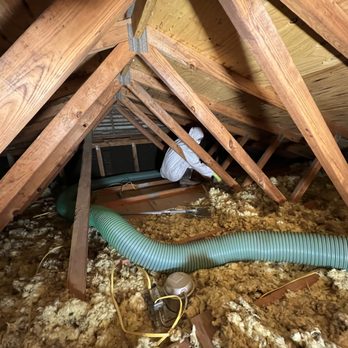
I remember a customer last summer who was convinced she needed a major AC replacement. The upstairs of her home in Oklahoma City became miserable by late afternoon, and one front bedroom was noticeably worse than the others. When I climbed into the attic, I found uneven blown-in insulation, thin coverage near the edges, and open gaps around penetrations that were letting conditioned air escape far more than she realized. The equipment was not perfect, but it was not the real reason the house felt uncomfortable. Once the attic issues were handled properly, she told me the second floor felt more balanced within days.

That experience is one reason I advise homeowners not to hire based only on price. I have seen cheap insulation jobs that looked fine from the attic hatch but missed the details that matter most. The open central area got attention, but the eaves, attic access, recessed fixtures, and odd corners were rushed or ignored. On paper, the job looked complete. In practice, the comfort problem barely changed. Expert insulation contractors do not just think about material quantity. They think about continuity, airflow, and the weak points where homes quietly lose performance.

Another job that stays with me involved a bonus room over a garage that the family had almost stopped using during the hottest part of the year. They had tried fans, vent adjustments, and heavier curtains, but the room still felt like an afterthought compared to the rest of the house. Once I checked the attic above it, I found gaps around framing transitions that were easy to miss unless you had seen the pattern before. That is the sort of thing experienced contractors catch quickly. After those weak points were corrected, the room stopped feeling separate from the rest of the home.

I have also seen homeowners spend several thousand dollars in the wrong order. One family had already paid for HVAC service and duct adjustments before anyone seriously evaluated the attic. What I found was simple enough: insulation had settled, air leakage was working against them, and the system was being forced to compensate. I am not against equipment upgrades when they are needed, but I strongly believe the building envelope should be evaluated first. Too many people blame the machine before looking at the structure around it.

After years in this trade, I have a strong opinion about expert insulation contractors: they do more than install product. They pay attention to how a house behaves, they ask good questions, and they fix the parts of the home that are actually causing the discomfort. In Oklahoma City, where heat and wind expose every shortcut, that level of experience is what turns insulation work from a routine expense into a lasting improvement in how a home feels.

The Front Door Choice I Rarely Regret Recommending

After more than a decade working with entry systems on residential builds and renovations, I still have a soft spot for Timber Doors. I have installed plenty of aluminium and composite options, and some are absolutely the better choice for certain homes, but timber remains the material I recommend most often when a homeowner wants warmth, presence, and a front entry that actually adds character instead of just filling an opening.

Timber Entrance Doors | Timber Front Door | Double Glazed Timber Doors

That opinion did not come from brochures or showroom displays. It came from years of seeing how different doors perform once they leave the warehouse and face real weather, real foot traffic, and real families. I remember one homeowner who had spent good money updating nearly every visible part of her facade, yet the house still felt unfinished. The problem was the old entry door. It was thin, slightly warped, and never quite shut cleanly. We replaced it with a properly made timber door, rebuilt part of the frame, and the difference was immediate. The house did not just look better. It felt more settled, quieter, and more substantial from the moment you stepped up to it.

What many people miss is that timber changes the experience of an entrance in a way other materials often do not. It has visual depth. It has texture. It can suit a period home, a coastal renovation, or a cleaner modern exterior if the design is right. I have found that homeowners often assume timber means ornate panels or a traditional look, but that is not true. Some of the best results I have seen came from simple, understated timber designs with strong proportions and restrained hardware.

That said, I do not recommend timber blindly. I have also seen it chosen for the wrong reasons. A customer last spring loved the look of a richly stained door but had an exposed front entry that took hard afternoon sun almost every day. I told him plainly that if he wanted that particular finish, he needed to be prepared for maintenance. He appreciated the honesty, because a door should not become a disappointment a year later just because no one explained how site conditions affect it. Timber is rewarding, but it is not maintenance-free, and pretending otherwise does homeowners no favours.

The most common mistake I run into is people focusing only on the slab and ignoring the rest of the system. A solid timber door hung on poor hinges or fitted into a tired, uneven frame is a recipe for callbacks. In my experience, performance comes down to the whole installation: frame condition, seals, threshold detail, hardware quality, and how carefully the door is finished on every edge, not just the faces people can see.

Security is another point people ask about. My view is simple: a well-built timber door with proper locks and a solid frame can feel extremely secure. Material alone does not determine that. I have seen flimsy alternatives disappoint homeowners far faster than a properly installed timber entry ever did.

For the right house and the right owner, timber is still one of the most satisfying choices available. It asks for a bit more care, but it gives something back every single day in the way it looks, closes, and anchors the front of a home. That is why I still recommend it.

What I’ve Learned About Duct Cleaning After 12 Years in the HVAC Industry

After more than a decade working as a certified HVAC technician specializing in residential ventilation systems, I’ve seen firsthand how overlooked air ducts can quietly affect a home’s comfort and air quality. Many homeowners first reach out after visiting https://www.ductcleaningcalgary.net/ while searching for answers about persistent dust, allergies, or uneven airflow in their homes.

When I first started working in duct systems, I underestimated how much debris could build up inside them. One of my earliest service calls involved a family who had just renovated their main floor. They couldn’t understand why their house felt dusty no matter how often they cleaned. When I removed the vent covers and inspected the supply lines with a camera, I found layers of drywall dust and construction debris coating the duct interior. That buildup was circulating fine particles every time the furnace turned on. After a thorough cleaning, the difference in indoor air clarity was noticeable within days.

In my experience, one of the biggest misconceptions about duct cleaning is that it’s only necessary in older homes. I’ve serviced newly built properties where construction debris was never properly cleared from the ventilation system. A homeowner last spring complained about persistent allergy flare-ups after moving into a recently completed house. When I inspected the return ducts, I found wood shavings and insulation fragments partially restricting airflow. Once the ducts were professionally cleaned, the airflow balanced out and the homeowner reported improved comfort levels.

I hold industry certifications in HVAC system maintenance, and over the years I’ve found that proper duct cleaning isn’t just about removing visible dust. It’s about restoring system efficiency. A furnace or air conditioner works harder when airflow is restricted. I once worked with a homeowner whose energy bills had gradually increased over several seasons. The heating equipment itself was functioning correctly, but the return air ducts were heavily clogged with pet hair and dust. After cleaning the duct network and replacing the filter system, airflow improved significantly and the system no longer struggled to maintain temperature.

One common mistake I frequently encounter is homeowners attempting to clean ducts themselves using household vacuums. While cleaning vent covers and reachable sections is helpful, most residential duct systems extend far beyond what basic equipment can reach. I’ve inspected homes where DIY attempts actually pushed debris deeper into the system rather than removing it. Professional equipment uses high-powered negative air machines designed specifically to extract contaminants without redistributing them.

Another situation I remember involved a family who noticed a faint musty odor every time their air conditioning ran. The source wasn’t mold growth inside living spaces but moisture accumulation in certain duct sections located in a poorly insulated area. Cleaning and addressing insulation gaps resolved the odor issue. That case reminded me that duct cleaning often reveals underlying airflow or humidity concerns that need correction.

From a practical standpoint, I usually recommend duct inspection after major renovations, if there are pets shedding heavily, or if residents experience unexplained respiratory irritation. Homes in colder climates, where furnaces run for long periods, tend to circulate indoor air repeatedly, which can gradually spread fine particles throughout the ventilation system.

I also advise homeowners not to fall for extremely low promotional pricing that sounds unrealistic. In my professional opinion, thorough duct cleaning requires time, specialized tools, and trained technicians. If the service feels rushed or incomplete, the results won’t justify the effort.

Duct cleaning isn’t something every home needs annually, but ignoring the system entirely can reduce efficiency and indoor comfort over time. From what I’ve observed across hundreds of service calls, a properly cleaned duct system supports balanced airflow, cleaner indoor breathing conditions, and less strain on heating and cooling equipment.

Why I Trust Experienced Lafayette Foundation Repair for Long-Lasting Results

Foundation problems are something most homeowners hope they’ll never face, but after working as a licensed structural contractor in Lafayette for over 15 years, I’ve seen firsthand how small cracks and uneven floors can quickly turn into serious issues. From my experience, the key to protecting a home starts with hiring skilled Lafayette foundation repair professionals who understand both the soil conditions in the region and the nuances of older homes. A foundation isn’t just concrete and rebar; it’s the base of a home’s safety, stability, and long-term value.

Foundation Repair | Basement Waterproofing | Lafayette IN

One of my earliest projects involved a customer whose living room floor had started to slope noticeably toward the front of the house. She had noticed minor wall cracks but didn’t think much of them until her furniture began sliding ever so slightly. When I first assessed the property, it was clear that water intrusion and shifting clay soil had compromised the footings over time. We reinforced the foundation using helical piers, and I personally monitored the leveling process. Seeing the floor return to proper alignment within a few days reminded me why timely foundation repair is so critical.

Over the years, I’ve noticed that many homeowners underestimate the subtle signs of foundation problems. A customer last spring called me after noticing a small crack near her basement window. When I arrived, the crack seemed minor, but the surrounding walls were bowing inward slightly. I explained that ignoring these small signs often leads to far more expensive repairs down the road. We used a combination of wall anchors and carbon fiber straps to stabilize the basement walls. The homeowner was relieved to see the structure stabilized without the need for extensive demolition. These kinds of targeted solutions are only possible when you work with contractors who have extensive hands-on experience in Lafayette’s soil and weather conditions.

Another situation I remember vividly involved an older home near the river where seasonal flooding had gradually weakened the foundation. The homeowner had tried to patch cracks herself, which only masked the underlying problem. Once we assessed the foundation, it became evident that a more robust solution was necessary. We installed push piers to lift the home back to its original level and prevent further settling. Watching the family move back into a home that felt solid and secure again reminded me why foundation repair is not something to cut corners on.

In my professional opinion, the best Lafayette foundation repair companies combine technical knowledge with practical problem-solving. It’s not just about pouring concrete or driving piers; it’s about understanding how each home reacts to its environment and choosing solutions that provide stability for decades. I often advise clients to avoid quick fixes that don’t address the root cause of movement. Improperly addressed foundations can lead to bowing walls, sticking doors, and even structural damage that affects the entire house.

I also emphasize communication and transparency. Many homeowners I’ve worked with were initially overwhelmed by the repair process, but walking them through each step—showing them how piers are installed, how leveling works, and why drainage matters—makes a huge difference. One homeowner last summer told me she appreciated seeing the progress firsthand and understanding how her investment was being protected. That trust is as important as the repair itself.

From my years of experience, I’ve found that Lafayette foundation repair is an area where expertise truly matters. Working with professionals who understand local conditions, recognize early warning signs, and apply solutions suited to each unique home ensures long-lasting results. For homeowners dealing with cracks, uneven floors, or bowing walls, timely and skilled intervention can prevent minor issues from becoming major headaches. A solid foundation is, after all, the cornerstone of a home’s safety and longevity, and investing in quality repair is an investment in peace of mind.

Lessons From the Field: Pest Control in Phoenix

As a pest control professional with over 10 years of experience managing both residential and commercial properties across the Valley, I’ve learned that early action is critical. That’s why I always recommend Pest Control Phoenix to homeowners and business owners who notice the first signs of an infestation. In my experience, addressing issues early can prevent them from becoming costly, stressful problems.

North Dallas Pest Control Solutions | Clutch Pest Control

I remember a homeowner last summer who called me after spotting a few scorpions near their backyard patio. They had initially tried DIY sprays, but the scorpions kept appearing, especially around shaded areas. Upon inspection, I discovered a combination of landscaping debris and unsealed cracks in the foundation that were attracting these pests. By removing the debris and treating the affected zones, we effectively eliminated the infestation. Situations like this show how small oversights can create big problems in Phoenix’s desert environment.

Another instance involved a small office struggling with a recurring ant problem. The staff had tried over-the-counter traps and sprays for weeks, but the ants continued to appear along the baseboards and near food storage areas. After a thorough assessment, I traced the infestation back to a tiny gap along the building’s exterior where soil moisture was encouraging colony growth. Sealing the gap and applying targeted treatments stopped the ants for good. I’ve seen many property owners underestimate how structural vulnerabilities can sustain infestations over time.

One memorable case was a residential property experiencing a seasonal influx of wasps near outdoor seating areas. Several stings had already occurred, and the family was worried about their children. Using safe removal techniques and preventive treatments, we removed the nests and treated surrounding areas to reduce the chance of return. This reinforced my belief that professional intervention isn’t just convenient—it’s often the safest approach.

Over the years, I’ve noticed a few common mistakes among property owners: relying solely on DIY products, ignoring moisture issues, or skipping routine inspections. Every type of pest—from scorpions and ants to rodents—requires a customized approach. I’ve found that combining preventative measures with professional services produces the most reliable results.

Working with a trusted provider like Pest Control Phoenix ensures that infestations are handled efficiently and safely. Thorough inspections, targeted treatments, and practical advice help homeowners and business managers maintain a pest-free environment.

Experience has taught me that pest control is about more than eradication—it’s about prevention, vigilance, and addressing underlying conditions. Taking prompt action and working with professionals keeps properties safe, comfortable, and stress-free.

On-the-Ground Insights from Conducting EICR in Leigh-on-Sea

I’ve been a NICEIC-registered electrician for over ten years, and performing EICR Leigh-on-Sea inspections has given me firsthand experience of the unique challenges local properties can present. Leigh-on-Sea is full of characterful older homes, alongside modern apartments and conversions, and each property tells its own story through the wiring and modifications inside. Over time, I’ve learned that what looks safe on the surface can often conceal hidden hazards.

Doing an EICR at a property in Sible Hedingham, Essex, United Kingdom found  alot of open junction boxes, aswell as the old VIR cable at alot of  sockets, and cable greening in

One example that sticks with me involved a semi-detached house where the owners had recently renovated the kitchen. They assumed that updating the sockets and fitting a new consumer unit meant the rest of the property was compliant. When I tested the circuits, I found upstairs lighting circuits and a few sockets still relying on old cabling, plus a spur installed incorrectly years ago. Addressing these issues early prevented potential hazards, and the owners appreciated having practical, actionable advice rather than just a list of faults.

Rental properties in Leigh-on-Sea often present similar surprises. I inspected a flat for a landlord who expected a routine pass. Instead, I found loose sockets, an outdated fuse board, and circuits without RCD protection. Acting on these findings immediately avoided potential electrical faults that could have affected tenants and caused costly repairs. Landlords who schedule inspections proactively, rather than waiting for certificate deadlines, generally save time, money, and stress.

Another recurring scenario involves home adaptations. A customer had converted a loft into a small home office powered from a spur off a bedroom socket. Day-to-day usage was fine, but heavier equipment repeatedly tripped the circuit. Installing a dedicated circuit with proper protection solved the problem safely and reliably. Situations like this highlight why hands-on inspections are essential—visual checks alone don’t reveal these risks.

From my perspective, an EICR isn’t about catching anyone out—it’s about understanding how a property is actually used and ensuring the electrics can cope safely. Older homes in Leigh-on-Sea often contain wiring from multiple eras, while newer builds sometimes conceal overloaded circuits behind neat finishes. Recognising these patterns allows me to provide practical, experience-driven advice rather than just listing compliance issues. Acting on recommendations promptly protects the property, its occupants, and provides peace of mind for everyone involved.